제7대 국회 제75차 회의
회의 안건
외교관계에 관한 「비엔나」협약 비준동의안
발언자 현황
2명 참여, 3건 발언회의 발언록
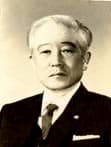
의사일정 제3항 외교관계에 관한 비엔나협약 비준동의안을 상정합니다. 또 한 번 더 차지철 위원장 심사보고하시기 바랍니다.

의사일정 3항에 관한 외무위원회의 심사보고를 말씀드리겠읍니다. 본 협약은 관습법에 의해서 규정되어 온 국가 간의 외교관계와 외교관의 임무, 신분, 특권면제 등에 관한 사항과 이에 따른 접수국과 파견국의 권리 의무 관계를 현시점에서 일반적으로 합의될 수 있는 부분에 한하여 법전화한 것입니다. 전문 53개 조항으로 구성된 주요 내용은 용어의 정의, 외교교섭의 총칙, 본관의 임무 수행을 위한 접수국의 의무, 인적 특권과 면제, 외교관의 의무, 외교관의 직무의 구체화, 차별대우 금지, 기타 서명, 비준가입 발표 및 국제연합사무총장의 의무에 관한 규정 등 광범하게 일반외교에 관한 사항을 포함하고 있읍니다. 본 협약 비준의 의의를 한마디로 말씀을 드리면 당사국 상호 간의 외교관계에 있어서 문젯점을 상당히 배제하여 상호 우호관계 증진에 기여할 것으로 보고 있읍니다. 따라서 외무위원회는 우리의 국력신장과 함께 세계 대다수 국가와 외교관계를 맺고 있는 우리나라로서는 이 협약에 가입하는 것이 필요하다고 인정되어 정부 원안대로 비준할 것을 지난 9월 18일 외무위원회에서 동의하였읍니다. 여러분 전적인 동의 있으시기를 바랍니다. 감사합니다. 외교관계에 대한 「비엔나」협약 비준동의안 본 협약의 당사국은 고대로부터 모든 국가의 국민이 외교관의 신분을 인정하였음을 상기하고 국가의 주권평등, 국제평화와 안전의 유지 및 국가 간의 우호관계의 증진에 관한 국제연합헌장의 목적과 원칙을 명심하고 외교교섭, 특권 및 면제에 관한 국제협약의 여러 국가의 상이한 헌법 체계와 사회제도에도 불구하고 국가 간의 우호관계의 발전에 기여할 것임을 확신하고 이러한 특권과 면제의 목적이 개인의 이익을 위함이 아니라 국가를 대표하는 외교 공관 직무의 효율적 수행을 보장하기 위한 것임을 인식하고 본 협약의 규정에 명시적으로 규제되지 아니한 문제에는 국제 관습법의 규칙이 계속 지배하여야 함을 확인하여 다음과 같이 합의하였다. 제1조 본 협약의 적용상 하기 표현은 다음에서 정한 의미를 가진다. ‘공관장’이라 함은 파견국이 그러한 자격으로 행동할 임무를 부여한 자를 말한다. ‘공관원’이라 함은 공관장과 공관직원을 말한다. ‘공관직원’이라 함은 공관의 외교직원, 행정 및 기능직원 그리고 노무직원을 말한다. ‘외교직원’은 외교관의 직급을 가진 공관직원을 말한다. ‘외교관’이라 함은 공관장이나 공관의 외교직원을 말한다. ‘행정 및 기능직원’이라 함은 공관의 행정 및 기능업무에 고용된 공관직원을 말한다. ‘노무직원’이라 함은 공관의 관내 역무에 종사하는 공관직원을 말한다. ‘개인 사용인’이라 함은 공관직원의 가사에 종사하며 파견국의 피고용인이 아닌 자를 말한다. ‘공관지역’이라 함은 소유자 여하를 불문하고 공관장의 주거를 포함하여 공관의 목적으로 사용되는 건물과 건물의 부분 및 부속토지를 말한다. 제2조 국가 간의 외교관계의 수립 및 상설 외교공관의 설치는 상호 합의에 의하여 이루어진다. 제3조 1. 외교공관의 직무는 특히 아래와 같은 것을 포함한다. 접수국에서의 파견국의 대표. 접수국에 있어서 국제법이 허용하는 한도 내에서 파견국과 파견국 국민의 이익 보호 접수국 정부와의 교섭 모든 합법적인 방법에 의한 접수국의 사정과 발전의 확인 및 파견국 정부에 대한 상기 사항의 보고 접수국과 파견국 간의 우호관계 증진 및 양국 간의 경제, 문화 및 과학관계의 발전 2. 본 협약의 어떠한 규정도 외교공관에 의한 영사업무의 수행을 방해하는 것으로 해석되지 아니한다. 제4조 1. 파견국은 공관장으로 파견하고자 제의한 자에 대하여 접수국의 ‘아그레망 이 부여되었음을 확인하여야 한다. 2. 접수국은 ‘아그레망’을 거절한 이유를 파견국에 제시할 의무를 지지 아니한다. 제5조 1. 파견국은 관계 접수국들에 적절한 통고를 행한 후 접수국 중 어느 국가의 명백한 반대가 없는 한 사정에 따라서 1개국 이상의 국가에 1인의 공관장을 파견하거나 외교직원을 임명할 수 있다. 2. 파견국이 1개국 또는 그 이상의 국가에 1인의 공관장을 파견하는 경우, 파견국은 공관장이 상주하지 아니하는 각국에 대사대리를 장으로 하는 외교공관을 설치할 수 있다. 3. 공관장이나 공관의 외교직원은 어떠한 국제기구에 대하여서도 파견국의 대표로서 행동할 수 있다. 제6조 2개국 또는 그 이상의 국가는 접수국의 반대가 없는 한 동일한 자를 공관장으로 타국에 파견할 수 있다. 제7조 제5조, 제8조, 제9조 및 제11조의 규정에 따를 것을 조건으로 파견국은 자유로이 공관직원을 임명할 수 있다. 육해공군의 무관인 경우에는 접수국은 그의 승인을 위하여 사전에 그들의 명단제출을 요구할 수 있다. 제8조 1. 공관의 외교직원은 원칙적으로 파견국의 국적을 가진 자이어야 한다. 2. 공관의 외교직원은 언제라도 철회할 수 있는 접수국 측의 동의가 있는 경우를 제외하고는 접수국의 국적을 가진 자 중에서 임명하여서는 아니 된다. 3. 접수국은 파견국의 국민이 아닌 제3국의 국민에 관하여서도 동일한 권리를 보유할 수 있다. 제9조 1. 접수국은 언제든지 그리고 그 결정을 설명할 필요 없이 공관장이나 또는 기타 공관의 외교직원이 ‘불만한 인물’ 이며 또는 기타의 공관직원을 ‘받아들일 수 없는 인물’이라고 파견국에 통고할 수 있다. 이와 같은 경우에 파견국은 적절히 관계자를 소환하거나 또는 그의 공관직무를 종료시켜야 한다. 접수국은 누구라도 접수국의 영역에 도착하기 전에 ‘불만한 인물’ 또는 ‘받아들일 수 없는 인물’로 선언할 수 있다. 2. 파견국이 본조 제1항에 의한 의무의 이행을 거절하거나 또는 상당한 기일 내에 이행하지 못하는 경우에는 접수국은 관계자를 공관원으로 인정함을 거부할 수 있다. 제10조 1. 접수국의 외무부 또는 합의되는 기타 부처는 다음과 같은 통고를 받는다. 공관원의 임명, 그들의 도착과 최종출발 또는 그들의 공관직무의 종료 공관원의 가족에 속하는 자의 도착 및 최종출발 그리고 적당한 경우 어떤 사람이 공관원의 가족의 일원이 되거나 또는 되지 않게 되는 사실 본항 에 언급된 자에게 고용된 개인 사용인의 도착과 최종출발 그리고 적당한 경우, 그들의 고용인과 해약을 하게 되는 사실 특권 및 면제를 받을 권리를 가진 공관원이나 개인 사용인으로서 접수국에 거주하는 자의 고용 및 해고 2. 가능하면, 도착과 최종출발의 사전통고도 하여야 한다. 제11조 1. 공관의 규모에 관한 특별한 합의가 없는 경우에는 접수국은 자국의 사정과 조건 및 당해 공관의 필요성을 감안하여 합리적이며 정상적이라고 인정되는 범위 내에서 공관의 규모를 유지할 수 있다. 2. 접수국은 또한 유사한 범위 내에서 그리고 무차별의 기초 위에서 특정 범주에 속하는 직원의 접수를 거부할 수 있다. 제12조 파견국은, 접수국의 명시적인 사전동의가 없이는 공관이 설치된 이외의 다른 장소에 공관의 일부를 구성하는 사무소를 설치할 수 없다. 제13조 1. 공관장은 일률적으로 적용되는 접수국의 일반적 관행에 따라 자기의 신임장을 제정하였을 때 또는 그의 도착을 통고하고 신임장의 진정등본을 접수국의 외무부 또는 합의된 기타 부처에 제출하였을 때에 접수국에서 그의 직무를 개시한 것으로 간주된다. 2. 신임장이나 또는 신임장의 진정등본 제출순서는 공관장의 도착일자와 시간에 의하여 결정한다. 제14조 1. 공관장은 다음의 3가지 계급으로 구분된다. 국가원수에게 파견된 대사 또는 교황청 대사, 그리고 동등한 계급을 가진 기타의 공관장 국가원수에게 파견된 공사 또는 교황청 공사 외무부장관에게 파견된 대리공사 2. 서열 및 의례에 관계되는 것을 제외하고는 그들의 계급으로 인한 공관장 간의 차별이 있어서는 아니 된다. 제15조 공관장에게 부여되는 계급은 국가 간의 합의로 정한다. 제16조 1. 공관장은 제13조의 규정에 의거하여 그 직무를 개시한 일자와 시간의 순서로 각자의 해당계급 내의 서열이 정해진다. 2. 계급의 변동에 관련되지 아니한 공관의 신임장 변경은 그의 서열에 영향을 미치지 아니한다. 3. 본조는 교황청 대표의 서열에 관하여 접수국에 의하여 승인된 어떠한 관행도 침해하지 아니한다. 제17조 공관장은 공관의 외교직원의 서열을 외무부 또는 합의되는 기타 부처에 통고한다. 제18조 공관장의 접수를 위하여 각국에서 준수되는 절차는 각급에 관하여 일률적이어야 한다. 제19조 1. 공관장이 공석이거나 또는 공관장이 그의 직무를 수행할 수 없을 경우에는 대사대리가 잠정적으로 공관장으로서 행동한다. 대사대리의 성명은 공관장이나 또는 공관장이 할 수 없는 경우에는 파견국의 외무부가 접수국의 외무부 또는 합의된 기타 부처에 통고한다. 2. 접수국에 공관의 외교직원이 없는 경우에는 파견국은 접수국의 동의를 얻어 행정 및 기능직원을 공관의 일상 관리 사무를 담당하도록 지명할 수 있다. 제20조 공관과 공관장은 공관장의 주거를 포함한 공관지역 및 공관장의 수송수단에 파견국의 국기 및 문장을 사용할 권리를 가진다. 제21조 1. 접수국은 그 법률에 따라 파견국이 공관을 위하여 필요로 하는 공관지역을 접수국의 영토에서 취득함을 용이하게 하거나 또는 기타 방법으로 파견국이 시설을 획득하는 데 있어서 이를 원조하여야 한다. 2. 접수국은 또한 필요한 경우 공관이 그들의 관원을 위하여 적당한 시설을 획득하는 데 있어서 이를 원조하여야 한다. 제22조 1. 공관지역은 불가침이다. 접수국의 관헌은 공관장의 동의 없이는 공관지역에 들어가지 못한다. 2. 접수국은 어떠한 침입이나 손해에 대하여도 공관지역을 보호하며 공관의 안녕을 교란시키거나 품위의 손상을 방지하기 위하여 모든 적절한 조치를 취할 특별한 의무를 가진다. 3. 공관지역과 동 지역 내에 있는 비품류 및 기타 재산과 공관의 수송수단은 수색, 징발, 차압 또는 강제집행으로부터 면제된다. 제23조 1. 파견국 및 공관장은 특정용역의 제공에 대한 지불의 성격을 가진 것을 제외하고는 소유 또는 임차 여하를 불문하고 공관지역에 대한 국가 지방 또는 지방자치단체의 모든 조세와 부과금으로부터 면제된다. 2. 본조에 규정된 조세의 면제는 파견국 또는 공관장과 계약을 체결하는 자가 접수국의 법률에 따라 납부하여야 하는 조세나 부과금에는 적용되지 아니한다. 제24조 공관의 문서 및 서류는 어느 때나 그리고 어느 곳에서나 불가침이다. 제25조 접수국은 공관의 직무 수행을 위하여 충분한 편의를 제공하여야 한다. 제26조 접수국은 국가안전을 이유로 출입이 금지되어 있거나 규제된 지역에 관한 법령에 따를 것을 조건으로 하여 모든 공관원에 대하여 접수국 영토 내에서의 이동과 여행의 자유를 보장하여야 한다. 제27조 1. 접수국은 공용을 위한 공관의 자유로운 통신을 허용하며 보호하여야 한다. 공관은 자국 정부 및 소재 여하를 불문한 기타의 자국 공관이나 영사관과 통신을 함에 있어서 외교신서사 및 암호 또는 부호로 된 통신문을 포함한 모든 적절한 방법을 사용할 수 있다. 다만, 공관은 접수국의 동의를 얻어야만 무선송신기를 설치하고 사용할 수 있다. 2. 공관의 공용 통신문은 불가침이다. 공용 통신문이라 함은 공관 및 그 직무에 관련된 모든 통신문을 의미한다. 3. 외교행낭은 개봉되거나 유치되지 아니한다. 4. 외교행낭을 구성하는 포장물은 그 특성을 외부에서 식별할 수 있는 표지를 달아야 하며 공용을 목적으로 한 외교문서나 물품만을 넣을 수 있다. 5. 외교신서사는 그의 신분 및 외교행낭을 구성하는 포장물의 수를 표시하는 공문서를 소지하여야 하며 그의 직무를 수행함에 있어서 접수국의 보호를 받는다. 외교신서사는 신체의 불가침을 향유하며 어떠한 형태의 체포나 구금도 당하지 아니한다. 6. 파견국 또는 공관은 임시 외교신서사를 지정할 수 있다. 이러한 경우에는 본조 제5항의 규정이 또는 적용된다. 다만 동 신서사가 자신의 책임하에 있는 외교행낭을 수취인에게 인도하였을 때에는 제5항에 규정된 면제가 적용되지 아니한다. 7. 외교행낭은 공인된 입국항에 착륙하게 되어 있는 상업용 항공기의 기장에게 위탁될 수 있다. 동 기장은 행낭을 구성하는 포장물의 수를 표시하는 공문서를 소지하여야 하나 외교신서사로 간주되지는 아니 한다. 공관은 항공기 기장으로부터 직접으로 또는 자유롭게 외교행낭을 수령하기 위하여 공관직원을 파견할 수 있다. 제28조 공관이 자신의 공무를 수행함에 있어서 부과한 수수료와 요금은 모든 부과금과 조세로부터 면제된다. 제29조 외교관의 신체는 불가침이다. 외교관은 어떠한 형태의 체포 또 구금도 당하지 아니한다. 접수국은 상당한 경의로서 외교관을 대우하여야 하며 또는 그의 신체의 자유 또는 품위에 대한 여하한 침해에 대하여도 이를 방지하기 위하여 모든 적절한 조치를 취하여야 한다. 제30조 1. 외교관의 개인주거는 공관지역과 동일한 불가침과 보호를 향유한다. 2. 외교관의 서류 통신문 그리고 제31조제3항에 규정된 경우를 제외한 그의 재산도 동일하게 불가침권을 향유한다. 제31조 1. 외교관은 접수국의 형사재판관할권으로부터의 면제를 향유한다. 외교관은 또한 다음 경우를 제외하고는 접수국의 민사 및 행정재판관할권으로부터의 면제를 향유한다. 접수국의 영역 내에 있는 개인부동산에 관한 부동산소송. 단 외교관이 공관의 목적을 위하여 파견국을 대신하여 소유하는 경우는 예외이다. 외교관이 파견국을 대신하지 아니하고 개인으로서 유언집행인, 유산관리인, 상속인 또는 유산 수취인으로서 관련된 상속에 관한 소송 접수국에서 외교관이 그의 공적직무 이외로 행한 직업적 또는 상업적 활동에 관한 소송 2. 외교관은 증언으로서 증언을 행할 의무를 지지 아니한다. 3. 본조 제1항 에 해당되는 경우를 제외하고는 외교관에 대하여 여하한 강제집행조치도 취할 수 없다. 전기의 강제집행조치는 외교관의 신체나 주거의 불가침을 침해하지 않는 경우에 취할 수 있다. 4. 접수국의 재판관할권으로부터 외교관을 면제하는 것은 파견국의 재판관할권으로부터 외교관을 면제하는 것은 아니다. 제32조 1. 파견국은 외교관 및 제37조에 따라 면제를 향유하는 자에 대한 재판관할권의 면제를 포기할 수 있다. 2. 포기는 언제나 명시적이어야 한다. 3. 외교관과 제37조에 따라 재판관할권의 면제를 향유하는 자가 소송을 제기한 경우에는 본소에 직접 관련된 반소에 관하여 재판관할권의 면제를 원용할 수 없다. 4. 민사 또는 행정소송에 관한 재판관할권으로부터의 면제의 포기는 동 판결의 집행에 관한 면제의 포기를 의미하는 것으로 간주되지 아니한다. 판결의 집행으로부터의 면제를 포기하기 위하여서는 별도의 포기를 필요로 한다. 제33조 1. 본조 제3항의 규정에 따를 것을 조건으로 외교관은 파견국을 위하여 제공된 역무에 관하여 접수국에서 시행되는 사회보장의 제 규정으로부터 면제된다. 2. 본조 제1항에 규정된 면제는 아래의 조건으로 외교관에게 전적으로 고용된 개인 사용인에게도 적용된다. 개인 사용인이 접수국의 국민이거나 또는 영주자가 아닐 것 개인 사용인이 파견국이나 또는 제3국에서 시행되는 사회보장 규정의 적용을 받고 있을 것 3. 본조 제2항에 규정된 면제가 적용되지 아니하는 자를 고용하는 외교관은 접수국의 사회보장 규정이 고용주에게 부과하는 제 의무를 준수하여야 한다. 4. 본조 제1항 및 제2항에 규정된 면제는 접수국의 승인을 받는다는 조건으로 접수국의 사회보장제도에 자발적으로 참여함을 방해하지 아니한다. 5. 본조의 규정은 사회보장에 관하여 이미 체결된 양자 또는 다자협정에 영향을 주지 아니하며 또한 장차의 이러한 협정의 체결도 방해하지 아니한다. 제34조 외교관은 다음의 경우를 제외하고는 국가 지방 또는 지방자치단체의 모든 인적 또는 물적 부과금과 조세로부터 면제된다. 상품 또는 용역의 가격에 통상 포함되는 종류의 간접세 접수국의 영역 내에 있는 사유 부동산에 대한 부과금 및 조세. 단, 공관의 목적을 위하여 파견국을 대신해서 소유하는 경우는 예외이다. 제39조 4항의 규정에 따를 것을 조건으로 접수국이 부과한 재산세, 상속세 또는 유산세 접수국에 원천을 둔 개인소득에 대한 부과금과 조세 및 접수국에서 상업에 행한 투자에 대한 자본세 특별한 용역의 제공에 부과된 요금 제23조의 규정에 따를 것을 조건으로 부동산에 관하여 부과되는 등기세, 법원의 수수료 또는 기록 수수료, 담보세 및 인지세 제35조 접수국은 외교관에 대하여 모든 인적 역무와 종류 여하를 불문한 일체의 공공역무 및 징발, 군사상의 기부 그리고 숙사 제공 명령에 관련된 군사상의 의무로부터 면제하여야 한다. 제36조 1. 접수국은 동국이 제정하는 법령에 따라서 하기 물품의 반입을 허용하며 모든 관세 및 조세와 기타 관련되는 과징금을 면제한다. 단, 보관 운반 및 이와 유사한 역무에 대한 과징금은 그러하지 아니한다. 공관의 공용을 위한 물품 외교관의 거주용 물품을 포함하여 외교관이나 또는 그의 세대를 구성하는 가족의 개인 사용을 위한 물품 2. 외교관의 개인 수하물은 검열에서 면제된다. 단 본조 제1항에서 언급한 면제에 포함되지 아니하는 물품이 있거나 또는 접수국의 법률로서 수출입이 금지되어 있거나 접수국의 검역 규정에 의하여 통제된 물품을 포함하고 있다고 추정할 만한 중대한 이유가 있는 경우에는 그러하지 아니하다. 전기의 검열은 외교관이나 또는 그가 권한을 위임한 대리인의 입회하에서만 행하여야 한다. 제37조 1. 외교관의 세대를 구성하는 그의 가족은 접수국의 국민이 아닌 경우 제29조에서 제36조까지 명시된 특권과 면제를 향유한다. 2. 공관의 행정 및 기능직원은 그들의 각 세대를 구성하는 가족과 더불어 접수국의 국민이나 영주자가 아닌 경우 제29조에서 제35조까지 명시된 특권과 면제를 향유한다. 단, 제31조제1항에 명시된 접수국의 민사 및 행정재판관할권으로부터의 면제는 그들의 직무 이외로 행한 행위에는 확대되지 아니한다. 그들은 또한 처음 부임할 때에 수입한 물품에 관하여 제36조제1항에 명시된 특권을 향유한다. 3. 접수국의 국민이나 영주자가 아닌 공관의 노무직원은 그들의 직무 중에 행한 행위에 관하여 면제를 향유하며 그들이 취업으로 인하여 받는 보수에 대한 부과금이나 조세로부터 면제되고 제33조에 포함된 면제를 향유한다. 4. 공관원의 개인 사용인은 접수국의 국민이나 영주자가 아닌 경우 그들이 취업으로 인하여 받는 보수에 대한 부과금이나 조세로부터 면제된다. 그 이외의 점에 대하여 그들은 접수국이 인정하는 범위에서만 특권과 면제를 향유할 수 있다. 단, 접수국은 공관의 직무 수행을 부당하게 간섭하지 않는 방법으로 이러한 자에 대한 관할권을 행사하여야 한다. 제38조 1. 접수국이 추가로 특권과 면제를 부여하는 경우를 제외하고는 접수국의 국민이나 영주자인 외교관은 그의 직무 수행 중에 행한 공적 행위에 대하여서만 재판관할권 면제 및 불가침권을 향유한다. 2. 접수국의 국민이나 영주자인 기타의 공관직원과 개인 사용인은 접수국이 인정하는 범위에서만 특권과 면제를 향유한다. 단, 접수국은 공관의 직무 수행을 부당하게 간섭하지 않는 방법으로 이러한 자에 대한 관할권을 행사하여야 한다. 제39조 1. 특권 및 면제를 받을 권리가 있는 자는 그가 부임차 접수국의 영역에 들어간 순간부터 또는 이미 접수국의 영역 내에 있을 경우에는 그의 임명을 외무부나 또는 합의되는 기타 부처에 통고한 순간부터 특권과 면제를 향유한다. 2. 특권과 면제를 향유하는 자의 직무가 종료하게 되면 여사한 특권과 면제는 통상 그가 접수국에서 퇴거하거나 또는 퇴거에 요하는 상당한 기간이 만료하였을 때에 소멸하나, 무력분쟁의 경우일지라도 그 시기까지는 존속한다. 단, 공관원으로서의 직무 수행 중에 그가 행한 행위에 관하여는 재판관할권으로부터의 면제가 계속 존속한다. 3. 공관원이 사망하는 경우에 그의 가족은 접수국을 퇴거하는 데 요하는 상당한 기간이 만료할 때까지 그들의 권리인 특권과 면제를 계속 향유한다. 4. 접수국의 국민이나 영주자가 아닌 공관원이나 또는 그의 세대를 구성하는 가족이 사망하는 경우에 접수국은 자국에서 취득한 재산으로서 그 수출이 그의 사망 시에 금지된 재산을 제외하고는 사망인의 동산의 반출을 허용하여야 한다. 사망자가 공관원 또는 공관원의 가족으로서 접수국에 체재하였음에 전적으로 연유하여 동국에 존재하는 동산에는 재산세, 상속세 및 유산세는 부과되지 아니한다. 제40조 1. 외교관이 부임, 귀임 또는 본국으로 귀국하는 도중 여권사증이 필요한 경우 그에게 여권사증을 부여한 제3국을 통과하거나 또는 제3국의 영역 내에 있을 경우에 제3국은 그에게 불가침권과 그의 통과나 귀국을 보장함에 필요한 기타 면제를 부여하여야 한다. 동 규정은 특권이나 면제를 향유하는 외교관의 가족이 동 외교관을 동반하거나 그 외 합류하거나 자국에 귀국하기 위하여 별도로 여행하는 경우에도 적용된다. 2. 본조 제1항에 명시된 것과 유사한 사정하에서 제3국은 공관의 행정 및 기능직원 또는 노무직원과 그들 가족이 그 영토를 통과함을 방해하여서는 아니 된다. 3. 제3국은 암호 또는 부호로 된 통신문을 포함하여 통과 중인 공문서와 기타 공사 통신에 대하여 접수국이 허여하는 동일한 자유와 보호를 부여하여야 한다. 제3국은 용증이 필요한 경우 여권사증이 부여된 외교신서사와 통과 중인 외교행낭에 대하여 접수국이 부여하여야 하는 동일한 불가침권과 보호를 부여하여야 한다. 4. 본조 제1항, 제2항 및 제3항에 따른 제3국의 의무는 전기 각항에서 언급한 자와 공용통신 및 외교행낭이 불가항력으로 제3국의 영역 내에 들어간 경우에도 적용된다. 제41조 1. 그들의 특권과 면제를 침해하지 아니하는 한 접수국의 법령을 존중하는 것은 이와 같은 특권과 면제를 향유하는 모든 자의 의무이다. 그들은 또한 접수국의 내정에 개입하여서는 아니 될 의무를 진다. 2. 파견국이 공관에 위임한 접수국과의 모든 공적 사무는 접수국의 외무부 또는 합의되는 기타 부처를 통해서 행하여진다. 3. 공관지역은 본 협약 일반국제법상의 기타 규칙 또는 파견국과 접수국 간에 유효한 특별협정에 규정된 공관의 직무와 양립할 수 없는 여하한 방법으로도 사용되어서는 아니 된다. 제42조 외교관은 접수국에서 개인적 영리를 위한 어떠한 직업적 또는 상업적 활동도 하여서는 아니 된다. 제43조 외교관의 직무는 특히 다음의 경우에 종료한다. 파견국이 당해 외교관의 직무가 종료되었음을 접수국에 통고한 때 접수국이 제9조제2항에 따라 당해 외교관을 공관원으로서 인정하기를 거부함을 파견국에 통고한 때 제44조 접수국은 무력충돌의 경우에라도 접수국의 국민이 아닌 자로서 특권과 면제를 향유하는 자와 국적에 관계없이 이러한 자의 가족이 가능한 한 조속히 퇴거할 수 있도록 편의를 제공하여야 한다. 특히 필요한 경우에는 그들 자신과 그들의 재산을 위하여 필요한 수송수단을 수시로 사용할 수 있도록 제공하여야 한다. 제45조 2개국 간의 외교관계가 단절되거나 또는 공관이 영구적으로 혹은 잠정적으로 소환되는 경우에 접수국은 무력충돌의 경우에라도 공관의 재산 및 문서와 더불어 공관지역을 존중하고 보호하여야 한다. 파견국은 공관의 재산 및 문서와 더불어 공관지역의 보관을 접수국이 수락할 수 있는 제3국에 위탁할 수 있다. 파견국은 자국 및 자국민의 이익보호를 접수국이 수락할 수 있는 제3국에 위탁할 수 있다. 제46조 파견국과 접수국의 사전동의를 얻고 또는 그 접수국에 공관을 가지지 아니한 제3국의 요청에 따라 제3국과 그 국민의 이익을 잠정적으로 보호할 수 있다. 제47조 1. 접수국은 본 협약의 조항을 적용함에 있어서 국가 간에 차별을 두어서는 아니 된다. 2. 다만, 다음의 경우에는 차별을 두는 것으로 간주되지 아니한다. 파견국이 본 협약의 어느 조항을 파견국 내에 있는 접수국의 공관에다 제한적으로 적용한다는 것을 이유로 접수국이 동 조항을 제한적으로 적용하는 경우 관습이나 합의에 의하여 각국이 본 협약의 조항이 요구하는 것보다 더욱 유리한 대우를 상호 부여하는 경우 제48조 본 협약은 모든 국제연합회원국 또는 국제연합 전문기구의 회원국과 국제사법재판소 규정의 당사국 그리고 국제연합총회가 본 협약의 당사국이 되도록 초청한 기타 국가에 의한 서명을 위하여 다음과 같이 즉 1961년 10월 31일까지는 오스트리아 외무성에서 그리고 그 후 1962년 3월 31일까지는 뉴욕에 있는 국제연합본부에서 개방된다. 제49조 본 협약은 비준되어야 한다. 비준서는 국제연합사무총장에게 기탁된다. 제50조 본 협약은 제48조에 언급된 4개의 범주 중 어느 하나에 속하는 국가의 가입을 위하여 개방된다. 가입서는 국제연합사무총장에게 기탁된다. 제51조 1. 본 협약은 22번째 국가의 비준서 또는 가입서가 국제연합사무총장에게 기탁된 일자로부터 30일이 되는 날에 발효한다. 2. 22번째 국가의 비준서 또는 가입서가 기탁된 후에 본 협약을 비준하거나 이에 가입하는 각 국가에 대하여는 본 협약은 이러한 국가가 비준서나 가입서를 기탁한 일자로부터 30일이 되는 날에 발효한다. 제52조 국제연합사무총장은 제48조에 언급된 4개의 범주 중 어느 하나에 속하는 모든 국가에 대하여 다음 사항을 통고하여야 한다. 제48조, 제46조 및 제50조에 따른 본 협약에 대한 서명과 비준서 또는 가입서의 기탁 제51조에 따른 본 협약의 발효일자 제53조 중국어 영어 프랑스어 러시아어 및 스페인어본이 동등히 정본인 본 협약의 원본은 국제연합사무총장에게 기탁되어야 하며 국제연합사무총장은 본 협약의 인증등본을 제48조에 언급된 4개의 범주 중 어느 하나에 속하는 모든 국가에 송부하여야 한다. 이상의 증거로서 각기 자국 정부에 의하여 정당한 권한을 위임받은 하기 전권위원은 본 협약에 서명하였다. 1961년 4월 18일 비엔나에서 작성하였다. VIENNA CONVENTION ON DIPLOMATIC RELATIONS The States Parties to the present Convention, Recalling that peoples of all nations from ancient times have recognized the status of diplomatic agents, Having in mind the purposes and principles of the Charter of the United Nations concerning the sovereign equality of States, the maintenance of international peace and security, and the promotion of friendly relations among nations, Believing that an international convention on diplomatic intercourse, privileges and immunities would contribute to the development of friendly relations among nations, irrespective of their differing constitutional and social systems, Realizing that the purpose of such privileges and immunities is not to benefit individual but to ensure the efficient performance of the functions of diplomatic mission as representing States, Affirming that the rules of customary international law should continue to govern questions not expressly regulated by the provisions of the present Convention, Have agreed as follow : Article 1 For the purpose of the present Convention, the following expressions shall have the meanings hereunder assigned to them : the ‘head of the mission’ is the Person charged by the sending State with the duty of acting in that capacity ; the ‘members of the mission’ are the head of the mission and the members of the staff of the mission ; the ‘members of the staff of the mission’ are the members of the diplomatic staff, of the administrative and technical staff and of the service staff of the mission ; the ‘members of the diplomatic staff’ are the members of the staff of the mission having diplomatic rank ; a ‘diplomatic agent’ is the head of the mission or a member of the diplomatic staff of the mission ; the ‘members of the administrative and technical staff’ are the members of the staff of the mission employed in the administrative and technical service of the mission ; the ‘members of the service staff’ are the members of the staff of the mission in the domestic service of the mission ; a ‘private servant’ is a person who is in the domestic service of a member of the mission and who is not an employee of the sending State ; the ‘premises of the mission’ are the buildings or parts of buildings and the land ancillary thereto, irrespective of ownership, used for the purpose of the mission including the residence of the head of the mission. Article 2 The establishment of diplomatic relations between States, and of permanent diplomatic missions, takes place by mutual consent. Article 3 1. The functions of a diplomatic mission consist inter alia in : representing the sending State in the receiving State ; protecting in the receiving State the interests of the sending State and of its nationals, within the limits permitted by international law ; negotiating with the Government of the receiving State ; ascertaining by all lawful means conditions and developments in the receiving State, and reporting thereon to the Government of the sending State ; promoting friendly relations between the sending State and the receiving State, and developing their economic, cultural and scientific relations. 2. Nothing in the present Convention shall be construed as preventing the performance of consular functions by a diplomatic mission. Article 4 1. The sending State must make certain that the agrément of the receiving State has been given for the person it proposes to accredit as head of the mission to that State. 2. receiving State is not obliged to give reasons to the sending State for a refusal of agrément. Article 5 1. The sending State may, after it has given due notification to the receiving States concerned, accredit a head of mission or assign any member of the diplomatic staff, as the case may be, to more than one State, unless there is express objection by any of the receiving States. 2. If the sending State accredits a head of mission to one or more other States it may establish a diplomatic mission headed by a charge d’affaires ad interim in eacd State where the hear of mission has not his permanent seat. 3. A head of mission or any member of the diplomatic Staff of the mission may act as representative of the sending State to any international organization. Article 6 Two or more States may accredit the same person as head of mission to another State, unless objection is offered by the receiving State. Article 7 Subject to the provisions of Articles 5, 8, 9 and 11, the sending State may freely appoint the members of the staff of the mission. In the case of military, naval or air attach’es, the receiving State may require their names to be submitted beforehand, for its approval. Article 8 1. Members of the diplomatic staff of the mission should in principle be of the nationality of the sending State. 2. Members of the diplomatic staff of the mission may not be appointed from among persons having the nationality of the receiving State, except with the consent of that State which may be withdrawn at any time. 3. The receiving State may reserve the same right with regard to nationals of a third State who are not also nationals of the sending State. Article 9 1. The receiving State may at any time and without having to explain its decision, notify the sending State that the head of the mission or any member of the diplomatic staff of the mission is persona non grata or that any other member of the staff of the mission is not acceptable. In any such case, the sending State shall, as appropriate, either recall the person concerned or terminate his functions with the mission. A person may be declared non grata or not acceptable before arriving in the territory of the receiving State. 2. If the sending State refuses or fails within a reasonable period to carry out its obligations under paragraph 1 of this Article, the receiving State may refuse to recognize the person concerned as a member of the mission. Article 10 1. The Ministry for Foreign Affairs of the receiving State, or such other ministry as may be agreed, shall be notified of : the appointment of members of the mission, their arrival and their final departure or the termination of their functions with the mission ; the arrival and final departure of a person belonging to the family of a member of the mission and, where appropriate, the fact that a person becomes or ceases to be a member of the family of a member of the mission ; the arrival and final departure of private servants in the employ of persons referred to in subparagraph of this paragraph and, where appropriate, the fact that they are leaving the employ of such persons ; the engagement and discharge of persons resident in the receiving State as members of the mission or private servants entitled to privileges and immunities. 2. Where, Possible prior notification of arrival and final departure shall also be given. Article 11 1. In the absence of specific agreement as to the size of the mission, the receiving State may require that the size of a mission be kept within limits considered by it to be reasonable and normal, having regard to circumstances and conditions in the receiving State and to the needs of the particular mission. 2. The receiving State may equally, within similar bounds and on a non-discriminatory basis, refuse to accept officials of a particular category. Article 12 The sending State may not, with out the prior express consent of the receiving State, establish offices forming part of the mission in localities other than those in which the mission itself is established. Article 13 1. The head of the mission is considered as having taken up his functions in the receiving State either when he has presented his credentials or when he has notified his arrival and a true copy of his credentials has been presented to the Ministry for Foreign Affairs of the receiving Stare, or such other ministry as may be agreed, in accordance with the practice prevailing in the receiving State which shall be applied in a uniform manner. 2. The order of Presentation of Credentials or of a true copy thereof will be determined by the date and time of the arrival of the head of the mission. Article 14 1. Heads of mission are divided into three classes, namely : that of ambassadors or nuncios accredited to Heads of State, and other heads of mission of equivalent rank ; that of envoys, ministers and inter nuncios accredited to Heads of State ; that of chargé d’affaires accredited to Ministers for Foreign Affairs. 2. Except as concerns precedence and etiquette, there shall be no differentiation between head of mission by reason of their class. Article 15 The class to which the heads of their missions are to be assigned shall be agreed between States. Article 16 1. Heads of mission shall take precedence in their respective classes in the order of the date and time of taking up their functions in accordance with Article 13 2. Alterations in the credentials of a head of mission not involving any change of class shall not affect his precedence. 3. This article is without prejudice to any practice accepted by the receiving State regarding the precedence of the representative of the Holy See. Article 17 The precedence of the members of the diplomatic staff of the mission shall be notified by the head of the mission to the Ministry for Foreign Affairs or such other ministry as may be agreed. Article 18 The procedure to be observed in each State for the reception of heads of mission shall be uniform in respect of each class. Article 19 1. If the post of the mission is vacant, or if the head of mission is unable to perform his functions, a charge d’affaires ad interim shall act provisionally as head of the mission. The name of the charge d’affaires ad interim shall be notified, either by the head of the mission or, in case he is unable to do so, by the Ministry for Foreign Affairs of the sending State to the Ministry for Foreign Affairs of the receiving State or such other ministry as may be agreed. 2. In case where no member of the diplomatic staff of the mission is present in the receiving State, a member of the administrative and technical staff may, with the consent of the receiving State, be designated by the sending State to be in charge of the current administrative affairs of the mission. Article 20 The mission and its head shall have the right to use the flag and emblem of the sending State on the premises of the mission, including the residence of the head of the mission, and on his means of transport. Article 21 1. The receiving State shall either facilitate the acquisition on its territory, in accordance with its laws, by the sending state of premises necessary for its mission or assist the latter in obtaining accommodation in some other way. 2. It shall also, where necessary, assist missions in obtaining suitable accommodation for their members. Article 22 1. The premises of the mission shall be inviolable. The agents of the receiving State may not enter them, except with the consent of the head of the mission. 2. The receiving State is under a special duty to take all appropriate steps to protect the premises of the mission against any intrusion or damage and to prevent any disturbance of the peace of the mission or impairment of its dignity. 3. The premises of the mission, their furnishings and other property thereon and the means of transport of the mission shall be immune from search, requisition, attachment or execution. Article 23 1. The sending State and the head of the mission shall be exempt from all national, regional or municipal dues and taxes in respect of the premises of the mission, whether owned or leased, other than such as represent payment for specific services rendered. 2. The exemption from taxation referred to in this Article shall not apply to such dues and taxed payable under the law of the receiving State by persons contracting with the sending State of the head of the mission. Article 24 The archives and document of the mission shall be inviolable at any time and wherever they may be. Article 25 The receiving State shall accord full facilities for the performance of the function of the mission. Article 26 Subject to its laws and regulations concerning zones entry into which is prohibited or regulated for reasons of national security, the receiving State shall ensure to all members of the mission freedom of movement and travel in its territory. Article 27 1. The receiving State shall permit and protect free communication on the part of the mission for all official purposes. In communicating with the Government and the other missions and consulates of the sending State, wherever situate, the mission may employ all appropriate means, including diplomatic couriers and messages in code or cipher. However, the mission may install and use a wireless transmitter only with the consent of the receiving State. 2. The official correspondence of the mission shall be inviolable, official correspondence means all correspondence relating to the mission and its functions. 3. The diplomatic bag shall not be opened or detained. 4. The packages constituting the diplomatic bag must bear visible external marks of their character and may contain only diplomatic documents or articles intended for official use. 5. The diplomatic courier, who shall be provided with an official document indicating his status and the number of packages constituting the diplomatic bag, shall bw protected by the receiving State in the performance of his functions. He shall enjoy personal inviolability and shall not be liable to any form of arrest or detention. 6. The sending State of the mission may designate diplomatic couriers ad hoc. In such cases the provisions of paragraph 5 of this Article shall also apply, except that the immunities there in mentioned shall cease to apply when such a courier has delivered to the consignee the diplomatic bag in his charge. 7. A diplomatic bag may be entrusted to the captain of a commercial aircraft scheduled to land at an authorized port of entry. He shall be provided with an official document indicating the number of packages constituting the bag but he shall not be considered to be a diplomatic courier. The mission may send one of its members to take possession of the diplomatic bag directly and freely from the captain of the aircraft. Article 28 The fees and charges levied by the mission in the course of its official duties shall be exempt from all dues and taxes. Article 29 The person of a diplomatic agent shall be inviolable. He shall not be liable to any form of arrest or detention. The receiving State shall treat him with due respect and shall take all appropriate steps to prevent any attack on his person, freedom or dignity. Article 30 1. The private residence of a diplomatic agent shall enjoy the same inviolability and protection as the premises of the mission. 2. His papers, correspondence and, except as provided in paragraph 3 of Article 31, his property, shall likewise enjoy inviolability. Article 31 1. A diplomatic agent shall enjoy immunity from the criminal jurisdiction of the receiving State. He shall also enjoy immunity from its civiland administrative jurisdiction, except in the case of : a real action relating to private immovable property situated in the territory of the receiving State, unless he holds it on behalf of the sending State for the purposes of the mission ; an action relating to succession in which the diplomatic agent is involved as executor, administrator, heir or legatee as a private person and not on behalf of the sending State ; an action relating to any professional or commercial activity exercised by the diplomatic agent in the receiving State outside his official functions. 2. A diplomatic agent is not obliged to give evidence as a witness. 3. No measures of execution may be taken in respect of a diplomatic agent except in the cases coming under sub-paragraphs and of paragraph 1 of this Article, and provided that the measures concerned can be take without infringing the inviolability of his person or of his residence. 4. The immunity of a diplomatic agent from the jurisdiction of the receiving State does not exempt him from the jurisdiction of the sending State. Article 32 1. The immunity from jurisdiction of diplomatic agents and of persons enjoying immunity under Article 37 may be waived by the sending State. 2. Waiver must always be express. 3. The initiation of proceedings by a diplomatic agent or by a person enjoying immunity form jurisdiction under Article 37 shall preclude him from invoking immunity form jurisdiction in respect of any counterclaim directly connected with the principal claim. 4. Waiver of immunity form jurisdiction in respect of civil or administrative proceedings shall not be held to imply waiver of immunity in respect of the execution of the judgement for which a separate waiver shall be necessary. Article 33 1. Subject to the provisions of paragraph 3 of this Article, a diplomatic agent shall with respect to services rendered for the sending State be exempt from social security provisions which may be in force in the receiving State. 2. The exemption provided for in paragraph 1 of this Article shall also apply to private servants who are in the sole employ of a diplomatic agent, on condition : that they are not nationals of or permanently resident in the receiving State : and that they are covered by the social security provisions which may be in force in the sending State or a third State. 3. A diplomatic agent who employs persons to whom the exemption provided for in paragraph 2 of this Article does not apply shall observe the obligations which the social security provisions of the receiving State impose upon employers. 4. The exemption provided for in paragraphs 1 and 2 of this Article shall not preclude voluntary participation in the social security system of the receiving State provided that such participation is permitted by that. 5. The provisions of this Article shall not affect bilateral agreements concerning social security concluded previously and shall not prevent the conclusion of such agreements in the future. Article 34 A diplomatic agent shall be exempt form all dues and taxes, personal or real, national, regional or muncipal, except : indirect taxes of a kind which are normally incorporated in the price of goods or services ; dues and taxes on private immovable property situated in the territory of the receiving State, unless he holds it on behalf of the sending State for the purposes of the mission ; estate, succession or inheritance duties levied the receiving State, subject to the provisions of paragraph 4 of Article 39 ; dues and taxes on private income having its source in the receiving State and capital taxes on investments made in commercial undertakings in the receiving State : charges levied for specific services rendered ; registration, court or record fees, mortgage dues and stamp duty, with respect to immovable property, subject to the provisions of Article 23. Article 35 The receiving state shall exempt diplomatic agents from all personal services, from all public services of any kind whatsoever, and from military obligations such as those connected with requisitioning, military contributions and billeting. Article 36 1. The receiving State shall, in accordance with such laws and regulations as it may adopt, permit entry of and grant exemption from all customs duties, taxes, and related charges other than charges for storage, cartage and similar services, on : articles for the official use of the mission ; articles for the personal use of a diplomatic agent or members of his family forming part of his household, including articles intended for his establishment. 2. The personal baggage of a diplomatic agent shall be exempt from inspection, unless there are serious grounds for presuming that it contains articles not covered by the exemptions mentioned in paragraph 1 of this Article, or articles the import or export of which is prohibited by the law or controlled by the quarantine regulations of the receiving State. Such inspection shall be conducted only in the presence of the diplomatic agent or of his authorized representative. Article 37 1. The members of the family of a diplomatic agent forming part of his household shall, if they are not nationals of the receiving State, enjoy the privileges and immunities specified in Articles 29 to 36. 2. Members of the administrative an technical staff of the mission, together with members of their families forming part of their respective households, shall, if they are not nationals of or permanently resident in the receiving State, enjoy the privileges and immunities specified in Articles 29 to 35, except that the immunity from civil and administrative jurisdiction of the receiving State, specified in paragraph 1 of Article 31 shall not extend to acts performed outside the course of their duties. They shall also enjoy the privileges specified in Article 36, paragraph 1, in respect of articles imported at the time of first installation. 3. Members of the service staff of the mission who are not nationals of or permanently resident in the receiving State shall enjoy immunity in respect of acts performed in the course of their duties, exemption from dues and taxes on the emoluments they receive by reason of their employment and the exemption contained in Article 33. 4. Private servants of members of the mission shall, if they are not nationals of or permanently resident in the receiving State, be exempt from dues and taxes on the emoluments they receive by reason of their employment. In other respects, they may enjoy privileges and immunities only to the extent admitted by the receiving State. However, the receiving State must exercise its jurisdiction over those persons in such a manner as not to interfere unduly with the performance of the functions of the mission. Article 38 1. Except in so far as additional privileges and immunities may be granted by the receiving State, a diplomatic agent who is national of or permanently resident in that State shall enjoy only immunity from jurisdiction, and inviolability, in respect of official acts performed in the exercise of his functions. 2. Other members of the staff of the mission and private servants who are nationals of or permanently resident in the receiving State shall enjoy privileges and immunities only to the extent admitted by the receiving State. However, the receiving State must exercise its jurisdiction over those persons in such a manner as not to interfere unduly with the performance of the functions of the mission. Article 39 1. Every person entitled to privileges and immunities shall enjoy them from the moment he enters the territory of the receiving State on proceeding to take up his post or, if already in its territory, from the moment when his appointment is notified to the Ministry for Foreign Affairs or such other ministry as may be agreed. 2. When the functions of a person enjoying privileges and immunities have come to an end, such privileges and immunities shall normally cease at the moment when he leaves the country, or on expiry of a reasonable period in which to do so, but shall subsist until that time, even in case of armed conflict. However, with respect to acts performed by such a person in the exercise of his functions as a member of the mission, immunity shall continue to subsist. 3. In case of the death of a member of the mission, the members of his family shall continue to enjoy the privileges and immunities to which they are entitled until the expiry of a reasonable period in which to leave the country. 4. In the event of the death of a member of the mission not a national of or permanently resident in the receiving State of a member of his family forming part of his household, the receiving State shall permit the withdrawal of the movable property of the deceased, with the exception of any property acquired in the country the export of which was prohibited at the time of his death. Estate, succession and inheritance duties shall not be levied on movable property the presence of which in the receiving State was due solely to the presence there of the deceased as a member of the mission or as a member of the family of a member of the mission. Article 40 1. If a diplomatic agent passes through or is in the territory of a third State, which has granted him a passport visa if such visa was necessary, while proceeding to take up or to return to his post, or when returning to his own country, the third State shall accord him inviolability and such other immunities as may be required to ensure his transit or return. The same shall apply in the case of any members of his family enjoying privileges or immunities who are accompanying the diplomatic agent, or travelling separately to join him or to return to their country. 2. In circumstances similar to those specified in paragraph 1 of this Article, third States shall not hinder the passage of members of the administrative and technical or service staff of a mission, and of members of their families, through their territories. 3. Third States shall accord to official correspondence and other official communications in transit, including messages in code or cipher, the same freedom and protection as is accorded by the receiving State. They shall accord to diplomatic couriers, who have been granted a passport visa if such visa was necessary, and diplomatic bags in transit the same inviolability and protection as the receiving State is bound to accord. 4. The obligations of third States under paragraph 1, 2 and 3 of this Article shall also apply to the persons mentioned respectively in those paragraphs and to official communications and diplomatic bags, whose presence in the territory of the third State is due to force majeure. Article 41 1. Without Prejudice to their privileges and immunities, it is the duty of all persons enjoying such privileges and immunities to respect the laws and regulations of the receiving State. They also have a duty not to interfere in the internal affairs of that State. 2. All official business with the receiving State entrusted to the mission by the sending State shall be conducted with or through the Ministry for Foreign Affairs of the receiving State or such other ministry as may be agreed. 3. The premises of the mission must not be used in any manner incompatible with the functions of the mission as laid down in the present Convention or by other rules of general international law or by any special agreements in force between the sending and the receiving State. Article 42 A diplomatic agent shall not in the receiving State practise for personal profit any professional or commercial activity. Article 43 The function of a diplomatic agent comes to an end, inter alia : on notification by the sending State to the receiving State that the function of the diplomatic agent has come to an end ; on notification by the receiving State to the sending State that, in accordance with paragraph 2 of Article 9, it refuses to recognize the diplomatic agent as a member of the mission. Article 44 The receiving State must, even in case of armed conflict, grant facilities in order to enable persons enjoying privileges and immunities, other than national of the receiving State, and members of the families of such persons irrespective of their nationality, to leave at the earliest possible moment. It must, in particular, in case of need, place at their disposal the necessary means of transport for themselves and their property. Article 45 If diplomatic relations are broken off between two States, or of a mission is permanently or temporarily recalled : the receiving State must, even in case of armed conflict, respect and protect the premises of the mission, together with its property and archives ; the sending State may entrust the custody of the premises of the mission, together with its property and archives, to a third State acceptable to the receiving State ; the sending State may entrust the protection of its interests and those of its nationals to a third State acceptable to the receiving State. Article 46 A sending State may with the prior consent of a receiving State, and at the request of a third State not represented in the receiving State, undertake the temporary protection of the interests of the third State and of its nationals. Article 47 1. In the application of the provisions of present Convention, the receiving State shall not discriminate as between States. 2. However, discrimination shall not be regarded as taking place : Where the receiving State applies any of the provisions of the present Convention restrictively because of a restrictive application of that provision to its mission in the sending State ; where by custom or agreement State extend to each other more favourable treatment than is required by the provisions of the present Convention. Article 48 The present Convention shall be open for signature by all States Members of the United Nations or of any of the specialized agencies or Parties to the Statute of the International Court of Justice, and by any other State invited by the General Assembly of the United Nations to become a Party to the Convention, as follows : until 31 October 1961 at the Federal Ministry for Foreign Affairs of Austria and subsequently, until 31 March 1962, at the United Nations Headquarters in New York. Article 49 The present Convention is subject to ratification. The instruments of ratification shall be deposited with the Secretary-General of the United Nations. Article 50 The present Convention shall remain open for accession by any State belonging to and of the four categories mentioned in Article 48. The instruments of accession shall be deposited with the Secretary General of the United Nations. Article 51 1. The present Conventions Shall enter into force on the thirtieth day following the date of deposit of the twenty-second instrument of ratification or accession with the Secretary-General of the United Nations. 2. For each State ratifying or acceding to the Convention after the deposit of the twenty-second instrument of ratification or accession, the Convention shall enter into force on the thirtieth day after deposit by such State of its instrument of ratification or accession. Article 52 The Secretary-General of the United Nations shall inform all States belonging to any of the four categories mentioned in Article 48 : of signatures to the present Convention and of the deposit of instruments of ratification or accession, in accordance with Article 48, 49 and 50 ; of the date on which the present Convention will enter into force, in accordance with Article 51. Article 53 The original of the present Conventions, of which the Chinese, English, French, Russian and Spanish texts are equally authentic, shall be deposited with the Secretary-General of the United Nations, who shall send certified copies thereof to all States belonging to any of the four categories mentioned in Article 48. IN WITNESS WHEREOF the undersigned Plenipotentiaries, being duly authorized thereto by their respective Governments, have signed the present Convention. DONE AT VIENNA, this eighteenth day of April one thousand nine hundred and sixty-one.
3항도 역시 원안대로 의결시키고자 합니다. 이의 없읍니까? 가결된 것을 선포합니다. 이제 곧 산회를 선포하겠읍니다마는 아까 말씀드린 바와 마찬가지로 잠시 20분 동안 그 자리에 남아 주시기 바랍니다. 연차총회를 열겠읍니다. 산회를 선포합니다.